
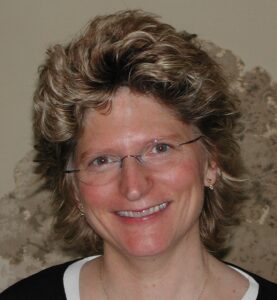
After twenty years running the Herscot Center for Tuberous Sclerosis Complex at Massachusetts General Hospital, Dr. Elizabeth Thiele is most excited about the increased focus, both clinically and in research, on TAND – Tuberous Sclerosis Complex-Associated Neuropsychiatric Disorders. Beyond the seizures, cognitive impairment, and autism, she says, there are often undiagnosed mental health issues. “For many people living with TSC, the neurobehavioral aspects might be the most significant.” Dr. Thiele says there is an urgent and unmet need to address issues such as anxiety, depression, and other life–altering issues.
Eighty-five percent of individuals with TSC develop epilepsy. The presence of refractory epilepsy and infantile spasms in TSC is significantly associated with cognitive impairment, autism, psychiatric disorders including self-injurious behaviors, and sleep disorders. Adults with TSC are at much greater risk of psychiatric disorders than the general population. To address this issue, Dr. Thiele is participating in the EpiCom study, which investigates behavioral outcomes following use of Epidiolex (CBD) for the management of TAND. Results of the study are expected mid-2026.
Another research priority for Dr. Thiele is the impact of dietary therapies on TAND. “We’re starting a trial of low-glycemic index treatment to treat TAND, focusing on anxiety and OCD. Low-glycemic and ketogenic diets can be wicked effective in treating seizures in tuberous sclerosis complex.”
The Herscot Center serves as a global hub, advising and coordinating expert care for individuals with TSC. In one case, a four-year-old from the west coast was able to avoid the risk of major surgery after his parents consulted with the Center’s experts. “They sent us the scans, and then our surgeon talked with the folks caring for him locally and suggested a surgical approach. And without ever meeting that patient in person, we played an important role in that child’s care. That is what is really nice about the TSC Alliance network — you don’t have to have every single comprehensive TSC program with 47 specialists, like we do. You just have to have a community of people who talk to each other.”
Epilepsy for Dummies

Dr. Thiele teamed up with science journalist Lauren Aguirre to write “Epilepsy for Dummies,” a reference book for the public about the many aspects of epilepsy which was published in October. Aguirre and three of her four children have epilepsy. Part of what motivated Aguirre to write the book was to refute some of the misconceptions about epilepsy. One example she points to is “how different seizures can look within the same person, and also from person to person. Another misconception is that it’s not that common,” she says. (The Centers for Disease Control and Prevention estimates that three million Americans have epilepsy.) There is also the stigma surrounding the disease, often the result of inaccurate information, including the idea “that you can’t have a normal life, be effectively treated, or you’re not smart if you have epilepsy.” Dr. Thiele has even read literature that shows teachers will underestimate the ability of a student if they know he or she has epilepsy. “Something like this really needs to exist. There were lots of books on diabetes, on ADHD, but there really weren’t many good informative books about epilepsy.”
Help the TSC Alliance accelerate TSC research by donating to the 50 Forward Fund!