
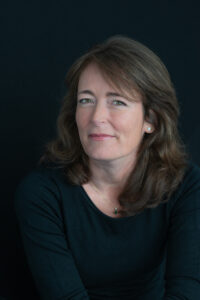
Agnies van Eeghen, MD, PhD, says caring for individuals with tuberous sclerosis complex (TSC) is both heart-warming and intellectually stimulating. She loves the complexity of the disease, as it addresses all aspects of her profession as an intellectual disability physician – the physical problems, mental health challenges, as well as supporting the people around the affected individual. That dedication has put her at the forefront of the TSC Alliance’s effort to improve the diagnostic and treatment journey of those affected by TSC-Associated Neuropsychiatric Disorders (TAND).
It is not clear who will experience TAND, how TAND problems are diagnosed, and how treatments for TAND can be measured. Current screening methods for comorbidities like autism or anxiety can be delayed, missing the opportunity for early intervention. The development of tools to better measure all aspects of TAND symptoms — diagnosis, progression and response to therapy — is needed for quicker detection and ultimately, improved outcomes.
The TSC Alliance has stepped in to fill that gap. In January 2025, we launched the Anya’s Accelerator Patient-Reported Outcome Measure (PROM) project. Dr. Van Eeghen is leading the team with the goal of standardizing the assessment of symptoms under the TAND umbrella. From her clinic at the Amsterdam University Medical Centers, Dr. Van Eeghen reviewed how TSC clinics in the U.S. and around the world screen and diagnose TAND-related problems. “We ended up receiving more than 150 questionnaires or surveys, with little uniformity. It’s very messy in clinical care, as well as in research settings.”
With a rare disease like TSC, explains Dr. Van Eeghen, people tend to focus on physical manifestations, like tumor growth and seizures, but not the psychiatric impact. “We had already developed a PROM for adults with TSC, and there is also the TAND checklist available. The TSC Alliance asked me and a wonderful group of advisors and collaborators to develop a set of easy-to-use questionnaires that matter to patients.” One goal is to make this set available for use in clinical trials, so all triallists will use relevant, valid, and feasible outcome measures. The four-year project aims to improve evidence-based treatments for individuals living with TAND. “There’s a huge unmet need for this. To gather evidence, you have to measure effects. And if you cannot measure effects, you will never get the right evidence.”
Dr. Van Eeghen is especially thankful to the TSC Alliance and Anya’s Accelerator for supporting her research, which can potentially have a multiplier effect. “If you invest in TSC, you indirectly help others with rare diseases and intellectual disabilities. Many findings in TSC research can be applied to other disorders.”
Above all, her goal is to improve the quality of life for those for whom she cares. “It’s something different for every person you see,” she says. “The complexity and potential impact of science, along with the relationships you have with the families and patients make it very intense and rewarding.”
Help the TSC Alliance accelerate TSC research by donating to the 50 Forward Fund!