
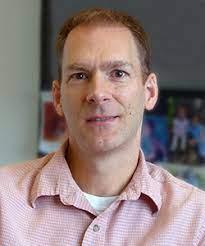
In more than twenty years as a physician-scientist, Dr. Kevin Ess has witnessed the extraordinary transformation of tuberous sclerosis complex (TSC) care through research.
“We went from describing a disorder to cloning the genes, to knowing what the genes do, to having FDA-approved drug indications for that disease all within twenty years. It is the model of how biomedical research should be,” Ess says. Today, he is excited about what he calls the newest phase of research – the potential role for gene therapy or gene modifications in TSC.
As Director of the TSC Clinic at Children’s Hospital Colorado — his third time running a TSC clinic – Dr. Ess has seen firsthand how patient participation drives TSC research. The conversations he has with TSC families in 2026 are vastly different than they were two decades ago. “The patient population is very engaged. For example, families are more than willing to donate tissue obtained during epilepsy surgery or to give skin cells from children with TSC to allow generation of human induced pluripotent stem cells.” This research has increased the understanding of why TSC cells develop abnormally and could impact potential future therapies. His group and that of close collaborator Dr. Rebecca Ihrie are exploring how the loss of the TSC1 or TSC2 genes doesn’t just affect that gene. The entire genome seems to be impacted by it.
The TSC families he sees invariably want to learn more about what is happening in the research lab. Dr. Ess credits Children’s Hospital Colorado multidisciplinary approach, which supports high end clinical care as well as innovative research.
He also praises the TSC Alliance as a great catalyst for research progress. “They organize the scientists, give grants, get the families together, give them a voice. They lobby Congress for DOD funding. They do a great job of working with biotech and drug companies to get them interested in TSC. Without the TSC Alliance, we would be decades behind getting FDA-approved drugs.”
Dr. Ess says outcomes have improved for children with TSC compared to twenty, or even ten years ago. “We know what to expect, we even have preventive therapies. We can prevent early seizures/infantile spasms to a significant extent, or at least control them before they get out of hand. We have better therapies, both medical as well as surgical.” Successful epilepsy surgery accelerates children’s development, he says.
What does Dr. Ess think the next twenty years of TSC care look like? “I think the future of TSC care means going to specialized centers where providers are very knowledgeable and can blend genetic therapies, drug and diet therapies — to get the most efficacy with the least toxicity.”
Help the TSC Alliance accelerate TSC research by donating to the 50 Forward Fund!